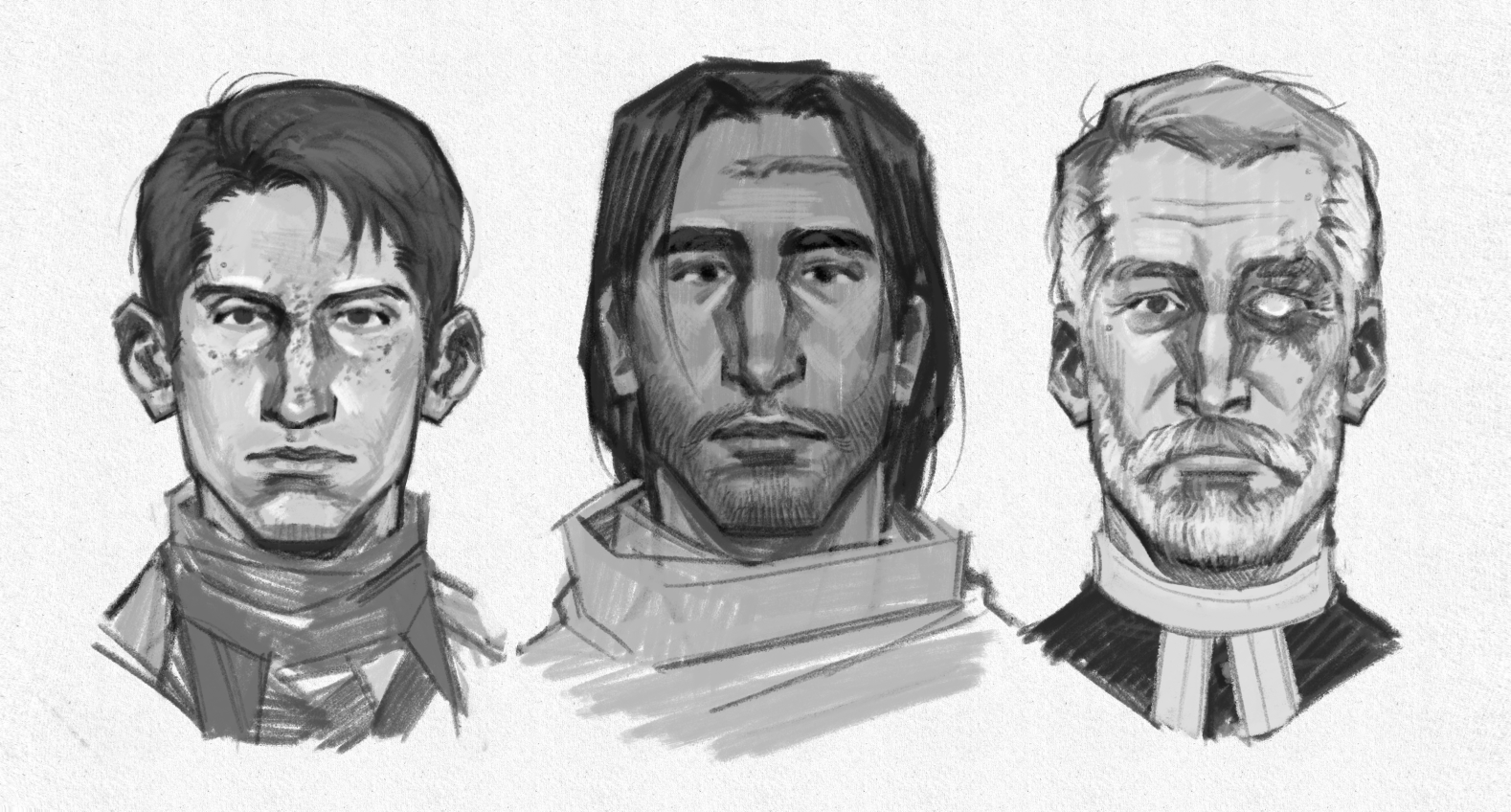
"Glory is a belief held by ignorant men."
Overview
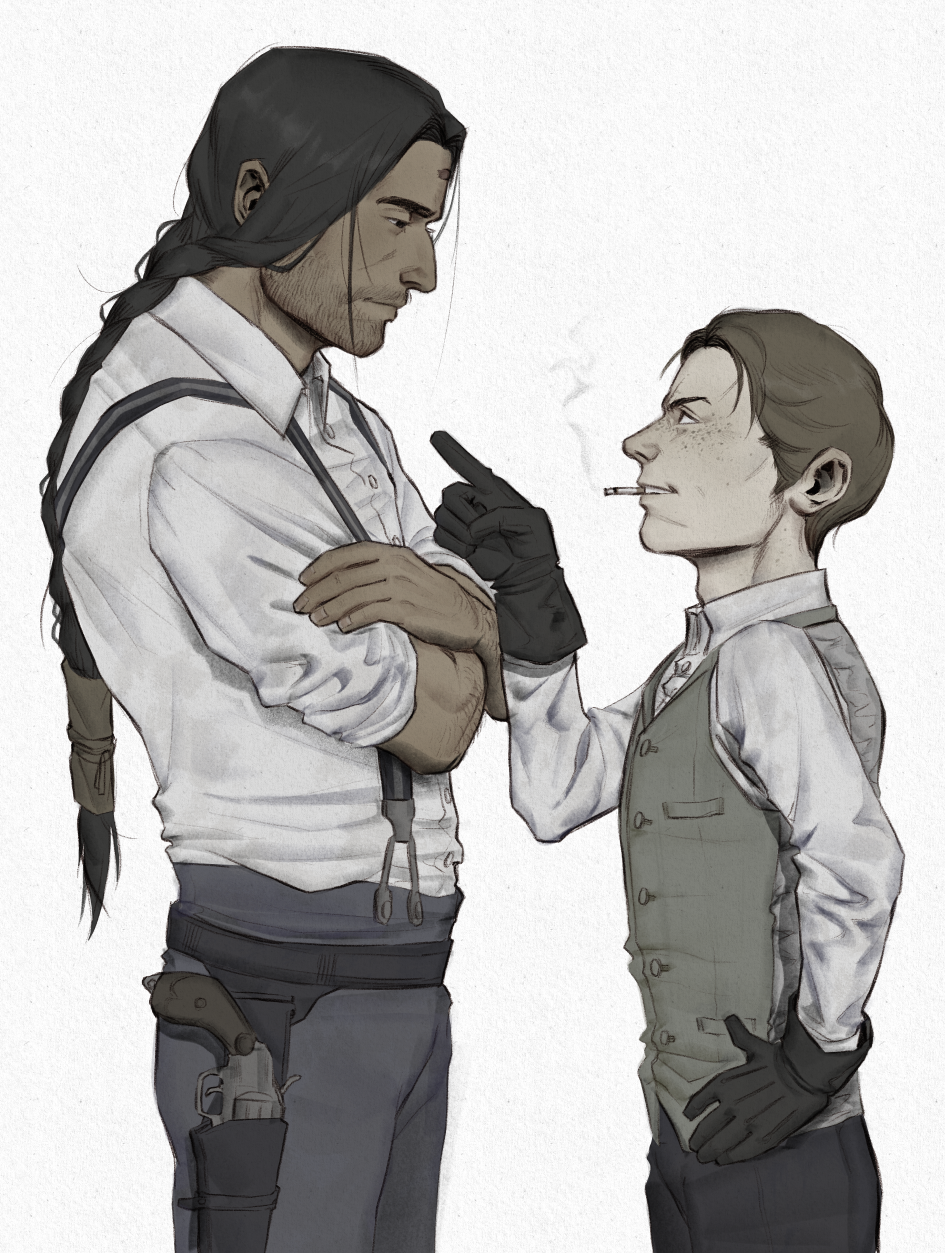
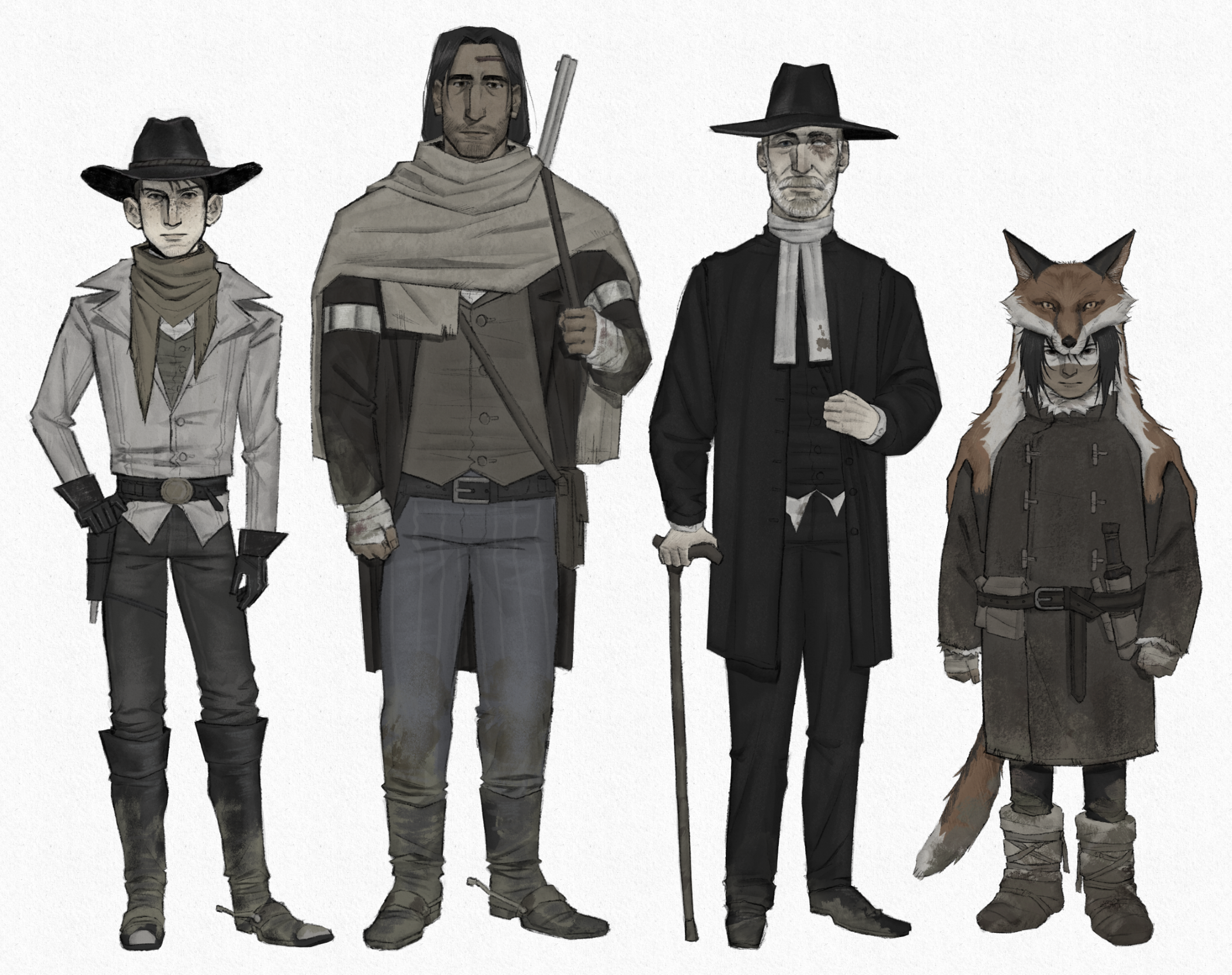
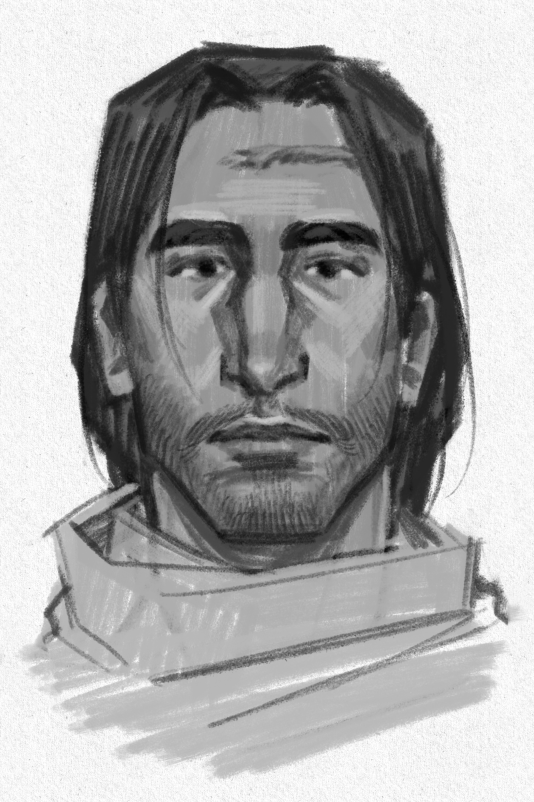
Rawhide is an Apsáalooke hunter who lives alone in a cabin at the edge of the woods. Despite appearing intimidating, he's polite and reserved, rarely seeking attention or company. His days are spent hunting, maintaining his homestead, or working. He has a fascination for firearms and understands their mechanics well. During his quieter hours, he carves small wooden figures or sketches the landscapes and animals around him. He carries the serenity of someone who's already long buried what once mattered, and the readiness of someone who might have to again...
History
Rawhide, formally He Who Uses Rawhide Well, was born in the winter of 1852 into a Apsáalooke band in unorganised U.S. territory, later becoming the Montana Territory. From a young age he showed strong practical skills, crafting and repairing tools and equipment, earning him his name, and developing a reputation as a weary but proficient marksman. He began to ride with small hunting parties at fourteen, and despite his efficiency, struggled with authority, stubbornly ignoring orders he considered foolish or unsafe.
As a boy he undertook a vision quest, expected to return with spiritual guidance or purpose. He endured the fast and isolation but received no vision, leaving him worried that he lacked the strength for spiritual discipline.
Rawhide frequently clashed with one particular leader he viewed as reckless: his own father. Before a planned raid against the Lakota, he criticised the strategy but was dismissed. Out of spite, he attempted to dishonour him by misleading both sides during a trade meeting. However, after being threatened by the Lakota intermediaries, he warned them of the raid. The attack failed disastrously, and accusations quickly fell on him, later confirmed by his father. Shamed and condemned as a traitor, Rawhide was exiled at seventeen.
In 1874 he encountered a wounded soldier, separated from his unit. Despite his hesitation at the sight of the uniform, Rawhide treated his wounds and stayed until he could move again. Before parting, the soldier suggested joining the army. With nowhere else to go, Rawhide tentatively accepted.
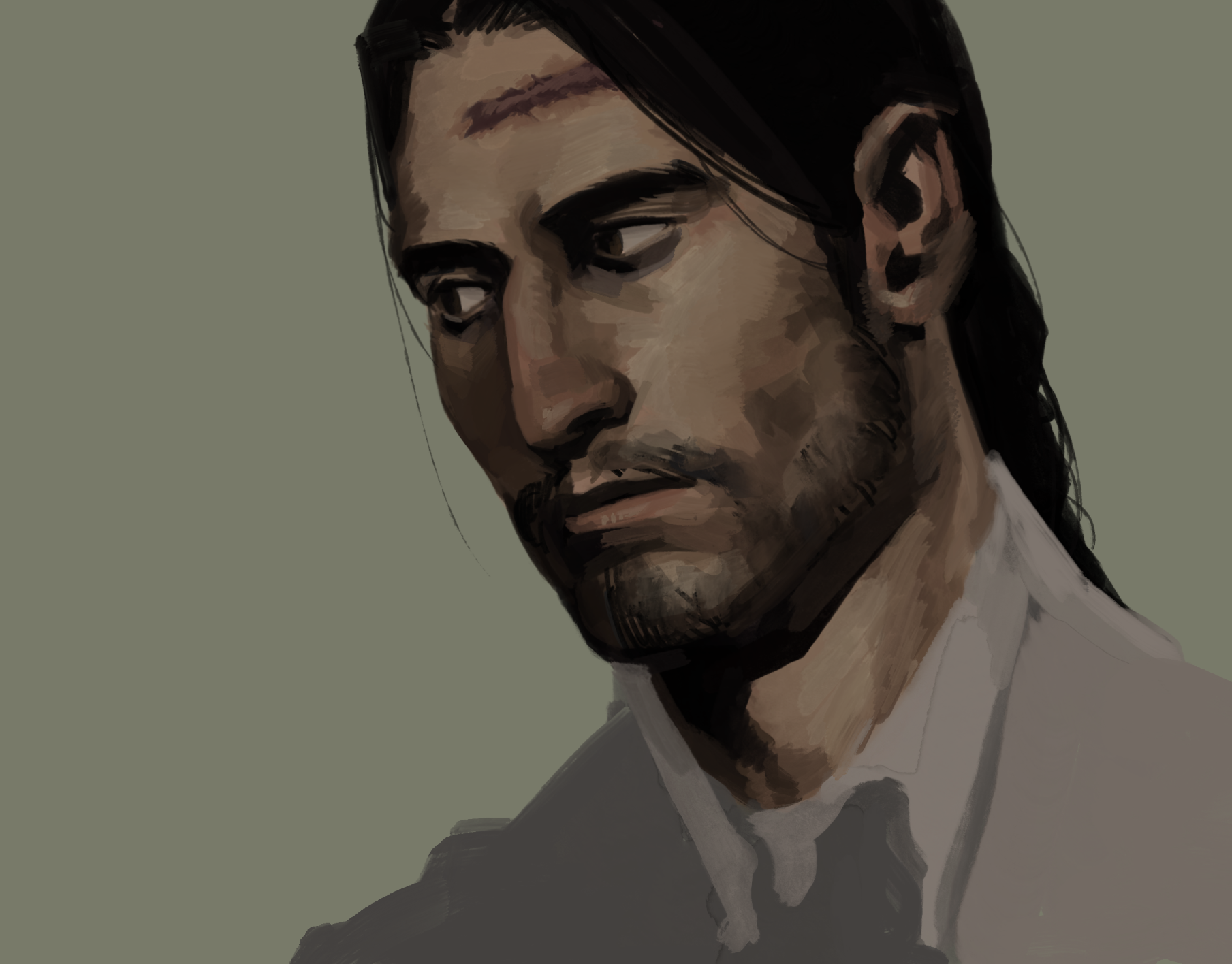
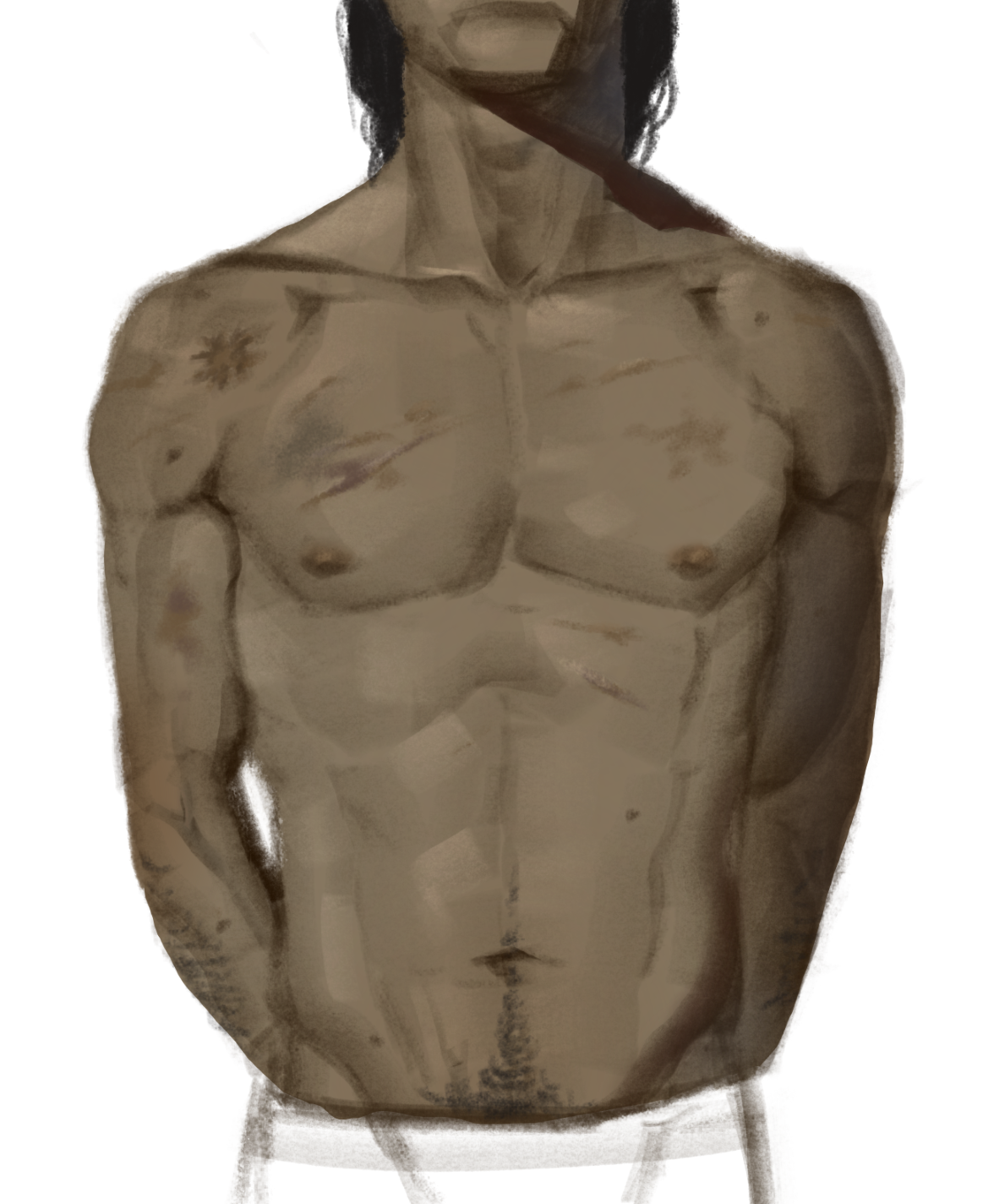
Rawhide was assigned him to ride with other Crow scouts, learning enough English to follow orders. During the Great Sioux War, he was shot from his horse and nearly scalped when mistaken for dead, leaving a scar across his forehead. Though respected as a scout, he refused leadership roles, saying he could not be trusted to guide others. He was discharged two years later.
After wandering north, Rawhide came upon a cabin inhabited by an elderly woman. He offered to work for her in exchange for food, and she allowed him to stay. They soon grew close; she taught him to read and write, while he handled the physical labor. She was already ill when he arrived, and Rawhide remained with her until she passed away. He buried her on a nearby hillside and continued living in the cabin afterward.
As a boy he undertook a vision quest, expected to return with spiritual guidance or purpose. He endured the fast and isolation but received no vision, leaving him worried that he lacked the strength for spiritual discipline.
Rawhide frequently clashed with one particular leader he viewed as reckless: his own father. Before a planned raid against the Lakota, he criticised the strategy but was dismissed. Out of spite, he attempted to dishonour him by misleading both sides during a trade meeting. However, after being threatened by the Lakota intermediaries, he warned them of the raid. The attack failed disastrously, and accusations quickly fell on him, later confirmed by his father. Shamed and condemned as a traitor, Rawhide was exiled at seventeen.
In 1874 he encountered a wounded soldier, separated from his unit. Despite his hesitation at the sight of the uniform, Rawhide treated his wounds and stayed until he could move again. Before parting, the soldier suggested joining the army. With nowhere else to go, Rawhide tentatively accepted.
Rawhide was assigned him to ride with other Crow scouts, learning enough English to follow orders. During the Great Sioux War, he was shot from his horse and nearly scalped when mistaken for dead, leaving a scar across his forehead. Though respected as a scout, he refused leadership roles, saying he could not be trusted to guide others. He was discharged two years later.
After wandering north, Rawhide came upon a cabin inhabited by an elderly woman. He offered to work for her in exchange for food, and she allowed him to stay. They soon grew close; she taught him to read and write, while he handled the physical labor. She was already ill when he arrived, and Rawhide remained with her until she passed away. He buried her on a nearby hillside and continued living in the cabin afterward.
Personality
Rawhide was never close to his family. He didn't want men to die, but he knows deep down that he had wanted to leave. He doesn't grieve his people so much as he grieves the feeling of belonging somewhere. He's lived alone long enough to have made peace with it, but in a way that anything else feels not quite right anymore.
He distrusts people as a rule. Genuine kindness unsettles him more than hostility does, as hostility he knows how to meet. Praise easily flusters him, though he often deflects with a brief nod or muttered reply. He despises liars and cowards, yet often speaks bluntly to victims, urging them to toughen up.
With the people he allows close, he remains distant more often than not, and his care tends to come out sideways. When something direct is called for, he finds himself without the words for it, landing awkwardly. He is aware of this. It does not seem to get better with practice. He has a dry sense of humour that surfaces sometimes. His jokes are delivered so flat and plainly that it takes a moment to realise he's made one at all.
Rawhide has never denied his strength. What troubles him about violence is not the act itself but the rush of it. It leaves him ashamed, yet he cannot deny that it makes him feel vividly alive.
There was a period during his wandering years when he grew very tired of the feeling that he was surviving without living. Those thoughts have quieted since, but they have not entirely left. He sometimes questions how and why he has survived as much as he has, believing it to be luck he doesn't deserve to have had. What he wants, if he allows himself to want anything, is to belong somewhere and to be needed and loved by someone. He does not believe this is available to him, and is not certain he would know how to hold it even if it were.
He distrusts people as a rule. Genuine kindness unsettles him more than hostility does, as hostility he knows how to meet. Praise easily flusters him, though he often deflects with a brief nod or muttered reply. He despises liars and cowards, yet often speaks bluntly to victims, urging them to toughen up.
With the people he allows close, he remains distant more often than not, and his care tends to come out sideways. When something direct is called for, he finds himself without the words for it, landing awkwardly. He is aware of this. It does not seem to get better with practice. He has a dry sense of humour that surfaces sometimes. His jokes are delivered so flat and plainly that it takes a moment to realise he's made one at all.
Rawhide has never denied his strength. What troubles him about violence is not the act itself but the rush of it. It leaves him ashamed, yet he cannot deny that it makes him feel vividly alive.
There was a period during his wandering years when he grew very tired of the feeling that he was surviving without living. Those thoughts have quieted since, but they have not entirely left. He sometimes questions how and why he has survived as much as he has, believing it to be luck he doesn't deserve to have had. What he wants, if he allows himself to want anything, is to belong somewhere and to be needed and loved by someone. He does not believe this is available to him, and is not certain he would know how to hold it even if it were.
Rawhide
Birth name
He Who Uses Rawhide Well
Alias
Rawhide
Namesake
Rawhide (song)
Voice claim
Profile
Date of birth
Winter, 1852 (Age: 30)
Place of birth
 Unorganised terr., USA
Unorganised terr., USA
Ethnicity
Apsáalooke (Crow)
Apsáalooke (Crow)
Height
190 cm (6'2")
Other Information
Occupation
Scout (1875-1877)
Hunter (1879-now)
Hunter (1879-now)
Languages
Apsáalooke (Native)
 English (C1/C2)
Hand Talk (A2/B1)
Apsáalooke (Native) English (C1/C2) Hand Talk (A2/B1)
Handedness
Right-handed
Relationships ▸
TBA
STAMPS




Trivia
✤ Smokes and drinks rarely. Has a ridiculously low alcohol tolerance.
✤ Deep water deeply distresses him as he never learned to swim.
✤ Is especially shy around children and elders.
✤ During his wandering years, he was asked by a traveling photographer to take his portrait. He never saw the photograph and doesn't know if it still exists.
✤ Nearly all of his tools are handmade.
✤ Is literate but struggles sometimes.
✤ Can dismantle and reasemble a firearm in the dark. Has done it before. Found it fun.
✤ Tends to sleep very long and heavily, often struggling to wake early.
✤ Retained a quiet belief in spirituality but abandoned formal practice once he was alone.